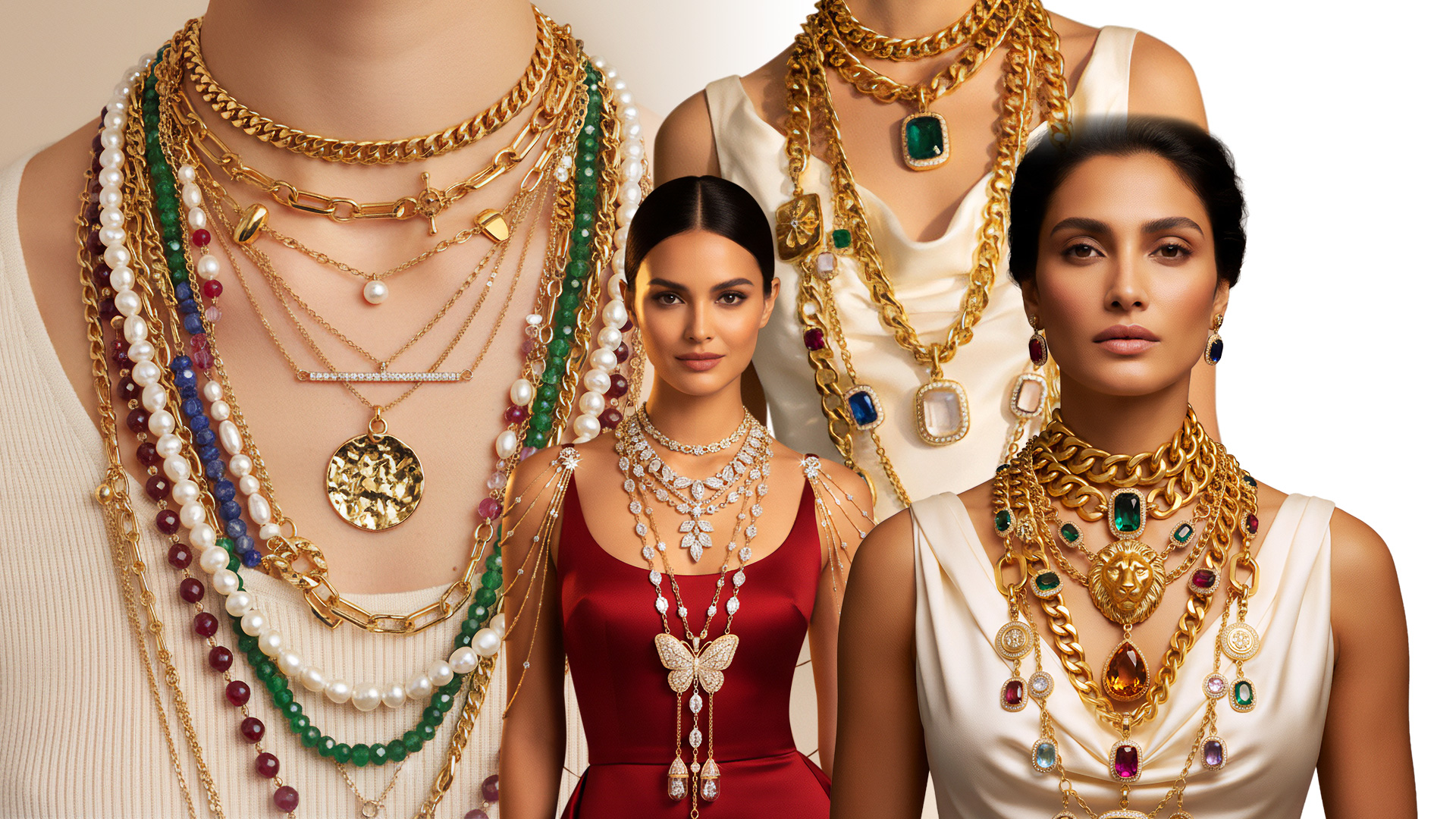

Metal Mythology: Bronze and brass jewellery crafted by indigenous artisans are bold statements of timeless tradition
Pearls have long been associated with tradition, timeless elegance and inherited refinement, yet in recent years they have quietly reinvented themselves. No longer reserved for formal occasions or perfectly matched strands, the natural or cultured bounty of the oyster has stepped into a more expressive, contemporary role.
The design process begins with an intimate understanding of brass and bronze as materials. Indigenous artisans learn through generations how these metals bend, harden, soften and respond to heat – a knowledge that directly influences design choices. Necklaces are often conceived with broad curves, layered segments, or articulated links to balance weight and comfort. Bracelets, particularly cuffs and bangles, are designed with structural strength while allowing flexibility for movement.
Artisanal Artistry
Unlike industrial jewellery, artisanal ethnic brass and bronze designs celebrate the human hand. Surfaces are rarely uniform. Hammered textures, subtle irregularities and organic contours give each piece visual depth and tactile richness. These design elements create a rhythm of light and shadow that changes as the piece moves on the body. Each bracelet or necklace becomes a sculptural expression shaped by hands, heritage and intimate material knowledge. This quality elevates indigenous jewellery beyond ornamentation, positioning it as wearable art.
Intricacy is also expressed through layered techniques. Casting, engraving, repoussé, twisting and coiling are often combined within a single piece. Necklaces may feature central focal elements surrounded by repeating patterns, while bracelets often use continuous motifs that wrap around the wrist. Every line, curve and indentation serves a purpose, contributing to the overall harmony of the piece.
Another defining design element is the use of negative space. Artisans often allow openings, gaps and hollow forms to become part of the composition. In necklaces, this creates visual breathing room that enhances the impact of central elements. In bracelets, negative space reduces weight while adding architectural interest. This thoughtful use of space reinforces the sophistication of the design approach.
Meaning in the Metalwork
Symbolism plays a central role in the design language. Patterns are not decorative afterthoughts but visual narratives encoded in metal. Spirals often represent cycles of life and continuity, while geometric forms suggest balance, order and cosmic structure. Animal and plant motifs are frequently stylised rather than literal, allowing them to convey strength, protection, fertility or guidance. The placement of these symbols is deliberate, reinforcing meaning while maintaining visual coherence.
The uniqueness of indigenous necklaces and bracelets is also shaped by regional identity. Designs vary widely depending on geography, belief systems and available resources. Communities influenced by rivers, forests or mountains developed distinct visual vocabularies reflected in their jewellery. Even when similar techniques are used, differences in scale, proportion and motif arrangement create unmistakable regional signatures. These distinctions make each tradition immediately recognisable and deeply rooted in place.
Bronze Ageing
Time itself becomes a collaborator in the crafting of brass and bronze jewellery. Raised motifs and recessed lines are intentionally arranged so that ageing enhances contrast. Patina transforms brass and bronze surfaces over time, allowing jewellery to evolve uniquely with every wearer. As the metal darkens and softens in tone, patterns become more pronounced, adding depth and character that cannot be artificially replicated.
This evolving surface quality ensures that no two pieces remain identical, even if they begin with similar designs. Wear, climate and skin contact all contribute to a personalised finish. The jewellery becomes a living object, shaped not only by its maker but also by its wearer. This relationship between design and time reinforces the idea that indigenous jewelry is meant to be lived in.
Bold and Beautiful
Despite their ancient origins, indigenous brass and bronze necklaces and bracelets remain profoundly relevant today. Contemporary designers draw inspiration from their bold forms, tactile surfaces and symbolic depth. Modern fashion’s growing appreciation for authenticity, sustainability and meaningful design aligns naturally with indigenous metal traditions. These pieces transcend trends because their design philosophy prioritises intention over novelty.
Each necklace and bracelet carries within it a dialogue between past and present, structure and fluidity, strength and beauty. In their enduring designs, indigenous artisans remind us that true sophistication is timeless, deeply human, and profoundly connected to meaning.