

Ascent Management: The pitfalls faced by social climbers and celebrities aspiring to be upper crust
From the outside, high society can look deceptively simple. The beau monde attends the same charity galas and private dinners, frequents the same art fairs, enjoys the same international festivals and destination weekends, and books suites at the same hotels. At a high-profile event, the lighting is flattering, the guest list immaculate, and the photos – when they appear – suggest a single, rarefied world. But inside that world, three very different behaviours are unfolding simultaneously.
The ultra-rich, the celebrities and the social climbers increasingly occupy the same physical spaces, yet they are playing fundamentally different games. What separates them is not money alone, or fame or ambition, but how they use visibility, time and relationships. Understanding this distinction is key to thriving in the upper tiers of modern lifestyle culture.
Old-Money Talks
The super-wealthy are often the least visible people in the room and the most structurally powerful. Their defining characteristic is not consumption but control over time, access and consequence. They arrive late, leave early, and rarely explain themselves. They are less interested in being seen than in being positioned. For them, lifestyle is not performance; it is infrastructure.
The calendars of the mega-rich are not crowded with events but punctuated by a few carefully chosen moments. An art fair is not about browsing, but reaffirming relationships with dealers, museum directors or fellow patrons. A charity dinner is not about applause – it is about governance, influence and alignment.
They invest in things that don’t announce themselves immediately: land, collections, foundations, education, long arcs. Their homes are often personal rather than impressive. Their clothes are expensive but unremarkable. Their taste skews towards what lasts rather than what trends.
Most importantly, the ultra-rich do not rush. Urgency is a signal of dependence. They understand that the ability to wait – politely, confidently – is one of the clearest expressions of power. If there is a luxury they value above all else, it is optionality – the freedom to say yes late, no quietly, or nothing at all.
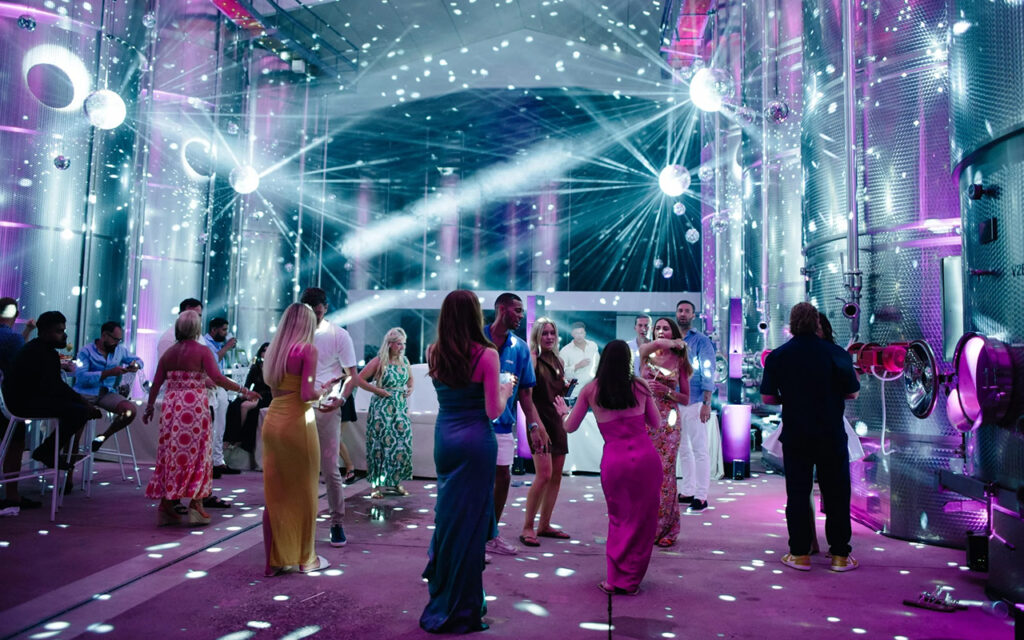
Walk of Fame
Celebrities, by contrast, live in a world where attention is both an asset and a liability. Their lifestyle is inseparable from public perception, and every choice, from where they go to what they wear, to who they’re seen with, feeds a larger narrative. They move through cultural spaces with intention. Art fairs, fashion weeks, festivals and premieres are not leisure activities; they are work environments. Even moments that look casual are often negotiated, styled, photographed and timed.
Unlike the ultra-rich, celebrities cannot afford to disappear entirely. Relevance must be maintained, but carefully. Overexposure dulls mystique, whereas absence risks irrelevance. Their challenge is balance.
Consumption for celebrities is less about ownership and more about alignment. Fashion is borrowed, art is often chosen with advisors, and travel is optimised for efficiency and discretion. What matters is not longevity but resonance: how something reads now; how it photographs; how it fits the story being told.
Their power is real, but conditional. It depends on audiences, platforms, contracts and public sentiment. As a result, celebrities often appear freer than they are. Their lives are fluid on the surface, yet tightly managed underneath. Where the ultra-rich build systems, celebrities animate culture. They make ideas visible, desirable and emotionally legible to the public.
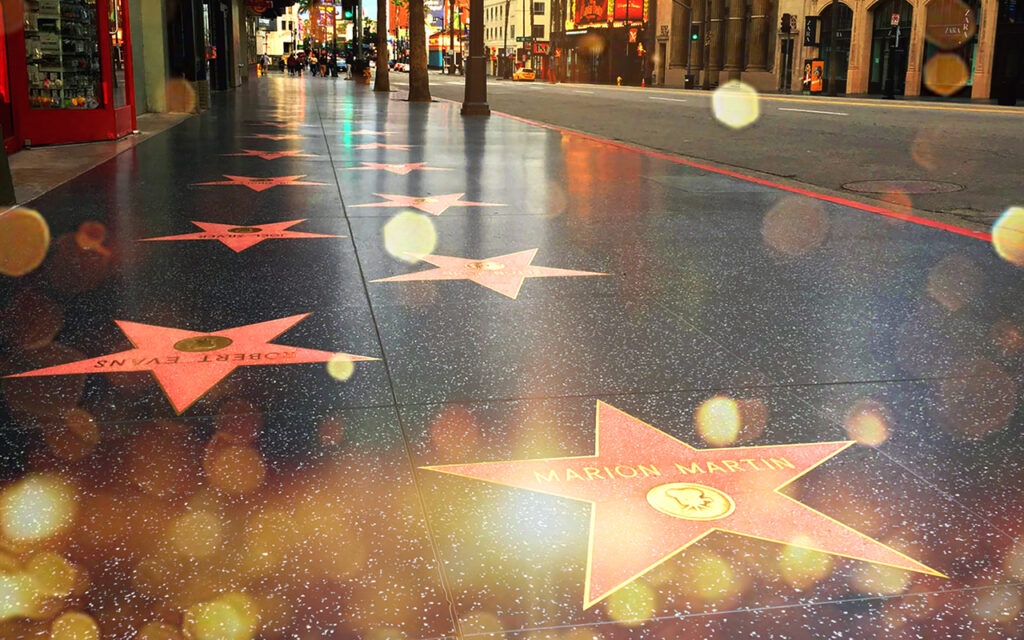
Devised Aspiration
Then there are the arrivistes – the people who have suddenly risen to a higher economic class but have yet to secure true belonging or gain the acceptance of their new peers. They form not only society’s most visible group, but also the one that is the most misunderstood.
Social climbers are defined by aspiration rather than fame or wealth – though their bank accounts may be well-padded. They are in constant motion, constantly networking, constantly documenting. Their presence in elite spaces is driven by proximity rather than purpose. They arrive early and leave last. They post frequently and collect contacts the way others collect art. For the nouveau riche, being in the room matters more than why the room exists.
Social climbers often mimic the aesthetics of the mega-rich or celebrities, but lack the underlying structure. The clothes are right, the language is fluent, and the references are current. What’s missing is anchoring: a clear reason for being there beyond advancement itself. This group is highly sensitive to hierarchy. They watch who speaks to whom, who gets invited again, who is rising, and who is fading. Their relationships are transactional by necessity, and for them, stillness feels risky.
Unlike celebrities, the nouveau riche are not protected by public value. Unlike the super-wealthy, they are not insulated by capital. Their lifestyle is precarious, since it is dependent on momentum and perception. Ironically, this often makes them the loudest in the room and the easiest to spot.
One Room, Three Agendas
What makes modern lifestyle culture so fascinating is that these three groups increasingly converge in the same settings: private clubs, exclusive art openings, wellness retreats, ski resorts, and elite sports events. Yet, they are not there for the same reasons. The differences in their motivations are subtle but decisive, determining who is invited back, who is trusted, and who quietly plateaus.
At an art event, the ultra-rich are reaffirming legacy decisions about the works they own, while celebrities are aligning themselves with cultural credibility. It is the social climbers who are collecting visibility and access. Behavioural contrasts are most evident when holidaying at a luxury resort: the super-wealthy disappear into privacy, celebrities curate moments, and arrivistes document everything. Spotting the three types is easy at a dinner party or gala evening. Old money listens more than speaks, the nouveau riche scans the table and celebrities manage tone and optics.

Heard Not Seen
In 2026, social status is no longer about extravagance; it is about fluency. True status is signalled by knowing when not to attend, owning time rather than filling it, being culturally literate without being performative, and having relationships that don’t need maintenance posts. The ultra-rich understand this instinctively; the famous learn it over time or burn out trying; and social climbers often mistake exposure for elevation.
The irony is that the more someone tries to be seen, the less powerful they often appear. We are living in an era where access has been democratised, but discernment has not. Social media has collapsed distance but not hierarchy. Everyone can enter the room digitally, yet not everyone understands the room.
This has created a new cultural tension. Spaces once defined by discretion are now flooded with performance. Institutions once built on patience are now pressured to move at the speed of attention. In response, the ultra-rich retreat further into privacy. Celebrities become more selective, and social climbers push harder, mistaking proximity for progress. The result is a cultural landscape that looks busy but feels oddly hollow, unless you know how to read it.
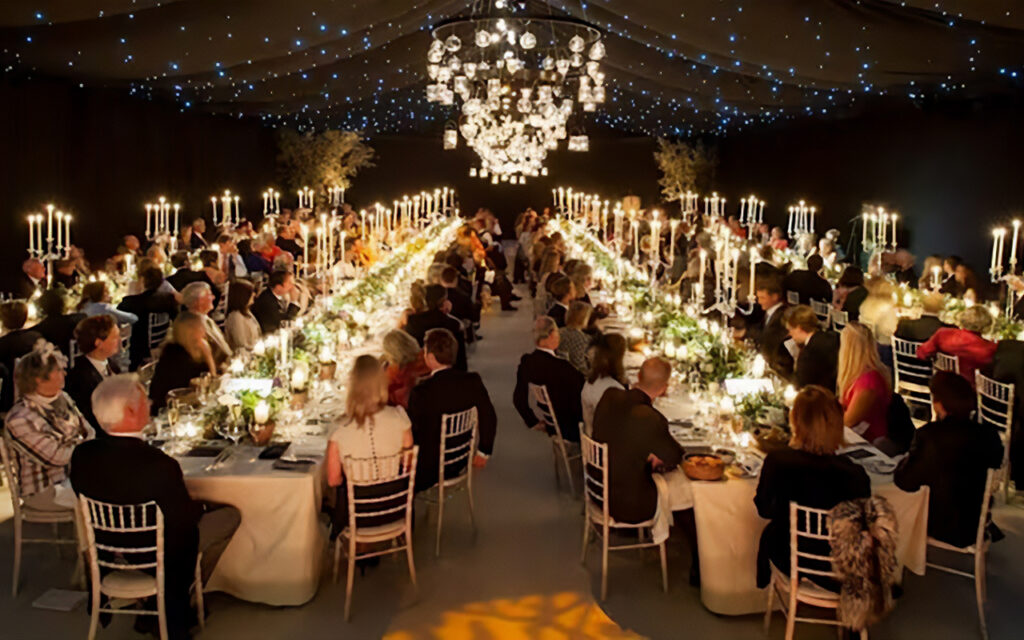
Status Split
Ultimately, the divide between these groups is not moral but structural: the ultra-rich think in decades; celebrities think in cycles; social climbers think in moments. Each behaviour is rational within its own logic. Problems arise only when one logic is mistaken for another, and when visibility is confused with influence, or motion with meaning.
The most compelling figures today – those who truly shape culture – tend to blur these categories carefully. They know when to be seen and when to disappear. They understand that society is not about constant access, but about intentional presence. In a world obsessed with being in the room, the real power still belongs to those who can choose which rooms matter – and that is the difference that changes everything.