

Bella for All: A champion of alternative celebrity, Bella Ramsey aims to bring out the best of us
For a 22-year-old English actor with just a short decade in the business, Bella Ramsey has accrued a long list of credits to, and column inches about, their name. They entered the industry without connections or insider advantages, so when early success arrived, it felt unexpected rather than inevitable. This experience fostered virtues of resilience and humility that would remain visible as their career rapidly expanded.
The spotlight arrived for Ramsey with great intensity when, as a tiny 11-year-old, they were cast as Lyanna Mormont in the sixth season of HBO’s Game of Thrones. In their first professional screen role, they stepped onto one of the most visible television productions in the world. Their character, the fierce child-leader Lyanna Mormont, appeared in only a handful of episodes, yet Ramsey’s performance left an outsized impression. Their calm authority, direct delivery and unwavering presence commanded attention.
For a young actor, such rapid recognition could have been destabilising. Ramsey, however, remained grounded, staying closely connected to the ‘normalcy’ of family life in Leicestershire, away from the glare of London – indeed, it was only last year that the actor moved into their own home in the capital city.
As Lyanna, young Bella shared scenes with Kit Harington (playing Jon Snow), another novice actor who catapulted to fame in the fantasy drama series. Reminiscing with Harington last year, they confessed: “I weirdly wasn’t nervous at all [on set], because I never knew that I wanted to be an actor, so I didn’t have a bunch of expectations. I was coming into it very much blind.”
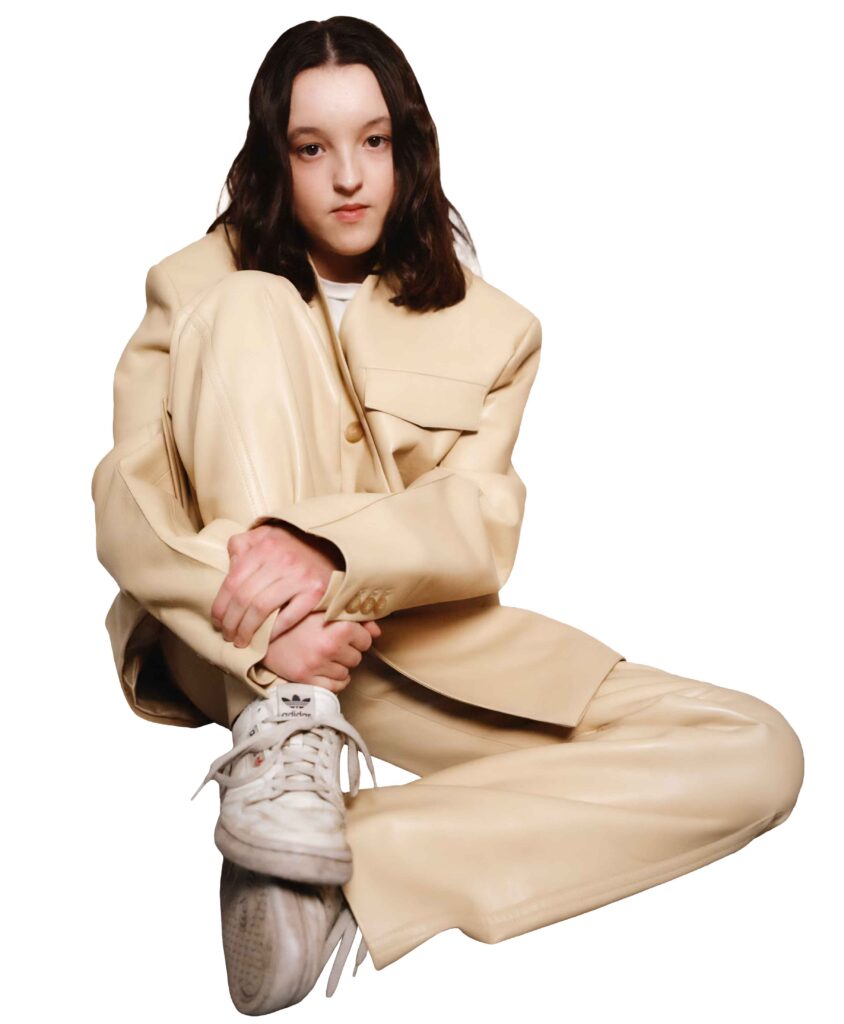
Acting Authenticity
Certainly, acting entered Ramsey’s life quietly rather than dramatically. After joining a local drama club primarily as a way to socialise, they attended the Television Workshop in Nottingham, known for emphasising realism in screen performance. This approach proved formative, shaping an acting style grounded in restraint and authenticity.
Adolescence unfolded under public attention, bringing challenges that extended beyond the usual uncertainties of growing up. Ramsey has spoken openly about experiencing anxiety and emotional strain during their teenage years. Navigating identity, confidence and expectation under scrutiny required self-awareness and support.
Following Game of Thrones, Ramsey chose projects that allowed exploration without overwhelming exposure. One such role was voicing the title character in Netflix’s animated series Hilda. Through voice acting, Ramsey expanded their range, demonstrating warmth, curiosity and emotional nuance.
Wellbeing First
They also took on a main role in the BBC series The Worst Witch (2017-2020), yet the demands of production eventually conflicted with personal well-being. After the third season, Ramsey made the decision to step away, citing mental-health reasons and signalling a commitment to self-care.
At 18, Ramsey was diagnosed as neurodivergent, a realisation that helped contextualise earlier experiences around sensitivity, emotional processing and overstimulation. The teenager called the diagnosis “freeing”, explaining “[it] enables me to walk through the world with more grace towards myself about not being able to do the easy everyday tasks that everyone else seems to be able to do”.

Expectations as Ellie
This proved essential when Ramsey was cast as strong-willed apocalypse survivor Ellie in HBO’s adaptation of The Last of Us. Announced in 2021 and released in 2023, the project carried enormous expectations. Ellie was already a beloved character from a successful video game franchise, and fan scrutiny was intense.
Rather than attempting to replicate the game’s version of Ellie, Ramsey approached the role as a dramatic character study, prioritising emotional progression. The resulting performance was widely praised for its depth and honesty. Ramsey portrayed Ellie as fierce, wounded, humorous and vulnerable, grounding the character in emotional truth.
“I was so terrified of signing on to The Last of Us and the idea of reaching a level of fame that doesn’t go away,” the actor revealed to Harington. “But I realise now that actually, you reach this level of fame that stays for a few months while the show’s coming out… If you don’t do anything to maintain that level of fame, the world moves on, which I’m so grateful for.”
Casting off the Child
The success of The Last of Us transformed Ramsey’s career. The TV series became a cultural phenomenon, and Ramsey received major award nominations and critical acclaim. More significantly, the role established them as a leading dramatic actor capable of anchoring prestige television. It marked a clear transition from child performer to adult artist.
“It was simultaneously the most challenging thing I’ve done so far, and also incredibly rewarding,” Ramsey said in an interview last year. “Seeing how much it means to so many people, and being able to look back now and reflect and see all the ways that I grew as a person, I am very grateful for it.”

Label Disquiet
It was during the 2023 media blitz before The Last of Us debuted that Ramsey came out as non-binary. They commented at the time: “I’m very much just a person. Being gendered isn’t something that I particularly like, but in terms of pronouns, I really couldn’t care less.”
More recently, Ramsey has wondered whether publicly revealing their gender fluidity was wise, as it pigeonholes them: “The label of being autistic … helped me to understand myself, but gender and sexuality-wise, labels do not feel comfy for me in any capacity, because I feel like I’m putting myself into a box. I feel trapped.”
They added, “It does make me a bit sad that people who aren’t in the public eye can explore their gender identity or sexuality in private. That’s a privilege I don’t really get any more.”
Out of the Ordinary
Ramsey has resisted constructing a conventional celebrity persona. Interviews are approached thoughtfully, often centred on mental health and creative process. On the decision to deactivate some of their social-media accounts last year, they said: “I’ve reached a point where I don’t actually need this anymore. It wasn’t even this big, dramatic thing. I just got so sick of it, and it was detrimental more than helpful.”
Rooted in craft, boundaries and quiet confidence, Ramsey represents an alternative model of celebrity. They are part of a generation redefining success, valuing emotional intelligence and integrity alongside ambition. Ramsey’s openness around mental health, neurodivergence and self-protection resonates with audiences rarely offered such honesty. They have also advocated for Greenpeace, the Palestinian cause and the trans, non-binary and intersex communities.
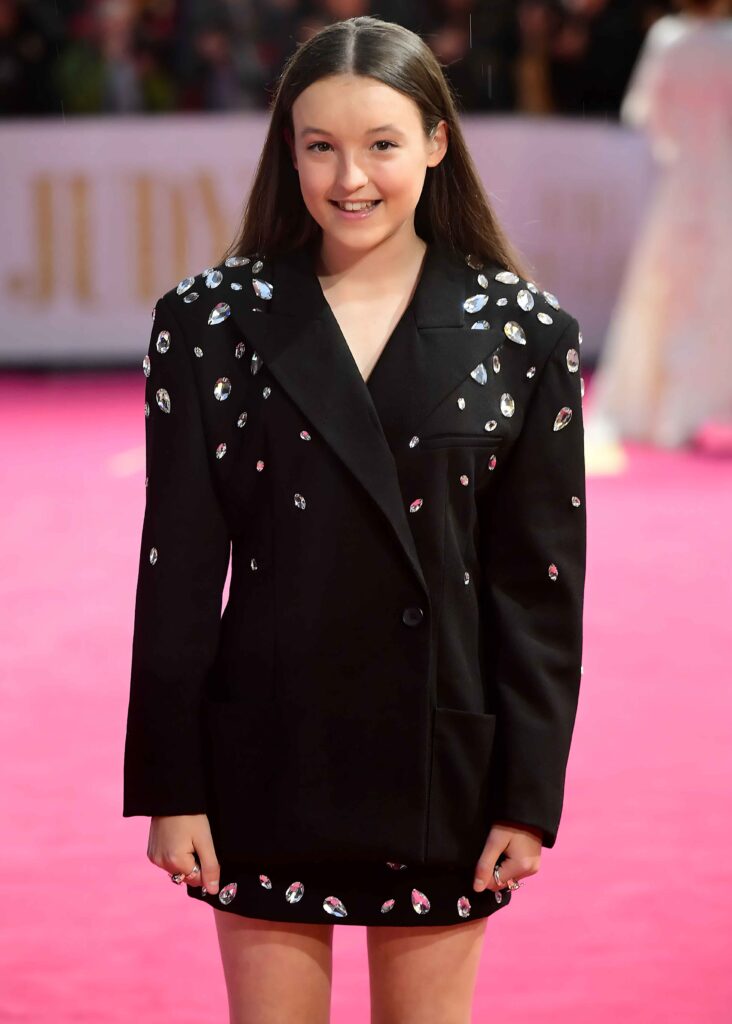
Looking forward, Ramsey remains committed to doing compelling work across film, television and voice projects while remaining selective. This year, as well as filming the third season of The Last of Us, they are starring in the coming-of-age comedy Sunny Dancer; headlining the UK television thriller series, Maya, as a teenager in witness protection hunted by hitmen; and lending their voice to The Sheep Detectives.
If Bella Ramsey has been typecast in their 10-year career, it has been for their ability to portray youngsters wise beyond their years. Asked if they would like to inhabit a character who was less self-assured, they replied: “Most of the time there’s an element of them being very lost inside, but I don’t really long to play someone who’s entirely lost. I long to play someone who’s a Hannibal Lecter type.”