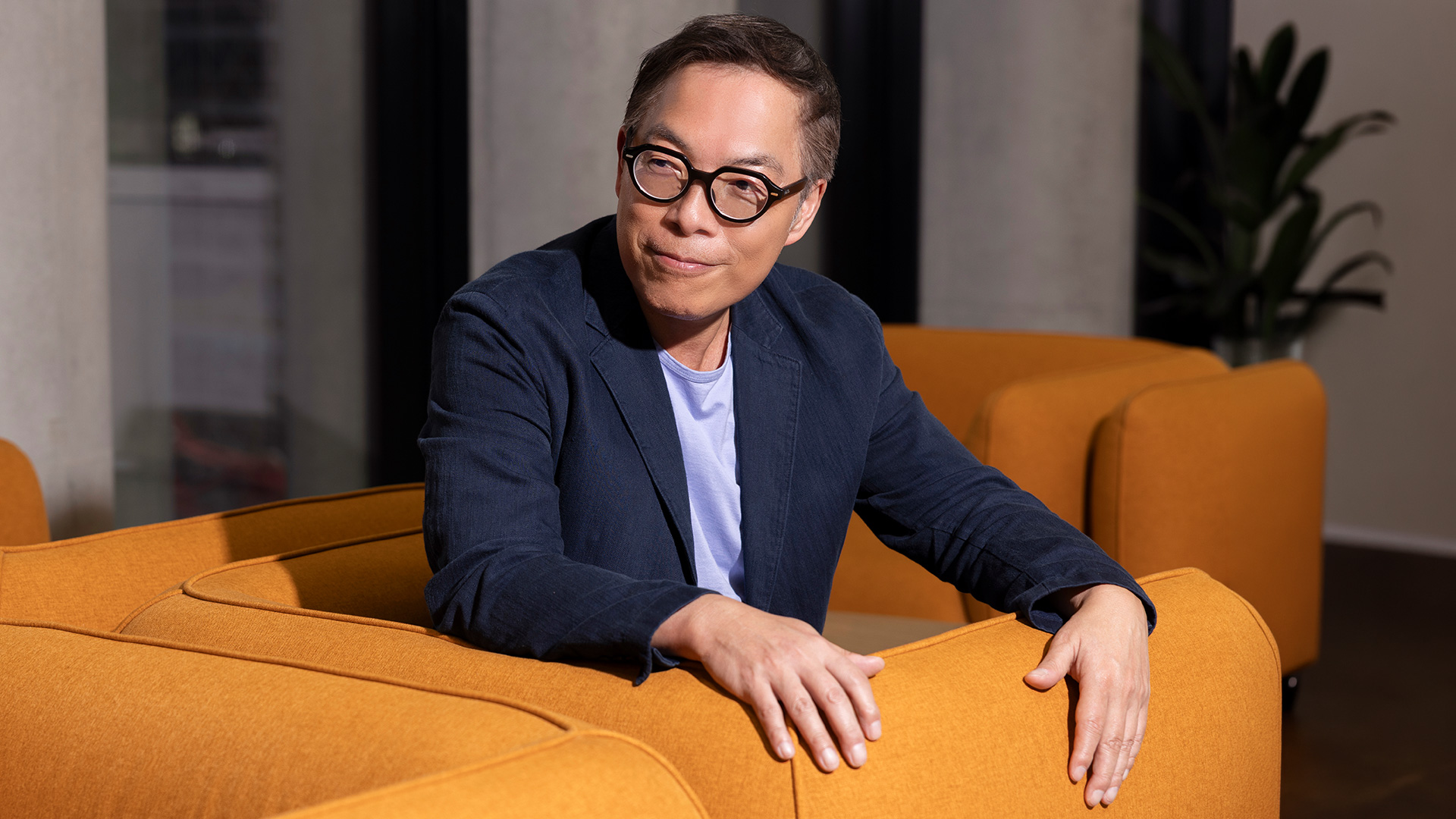
Theatres of Dreams: WestK performing tsar Paul Tam keeps the stage arts alive and inspiring for all
Our audience with Paul Tam, Executive Director of Performing Arts at the West Kowloon Cultural District Authority (WKCDA), takes place a day after this year’s Oscars ceremony. Outside, the breezy, insistently alive March weather makes you believe culture isn’t merely something you attend, but something you inhabit.
We begin with the controversial, viral hot take of that week: best-actor nominee Timothée Chalamet’s implication that “no one cares anymore” about performing arts like ballet and opera. This criticism of efforts “to keep [them] alive” offended many in the industry. We are expecting Tam to hit back, or perhaps diplomatically sit on the fence, but he does neither.
“I mean, did Chalamet lie though?” he asks. “Let’s be real – performing arts, ballet and opera have been here for ages and ages, and yes, it has been challenging for these industries. That’s why people like me have this responsibility of bringing fresh takes and ideas to make it still relevant up to this day and the years to come.”
After a beat, he continues, friendly, precise and almost coach-like: “I take his comment as a challenge more than offensive. It reminds us that when we discuss the future of these art forms, it’s important to frame our ideas thoughtfully and constructively, in a classy and decent way. ”
Classy and decent. It feels like a stage direction, and from there, the interview unfolds like a performance – part Q&A, part manifesto, part invitation to rethink what art institutions owe the future.
Curtain Up
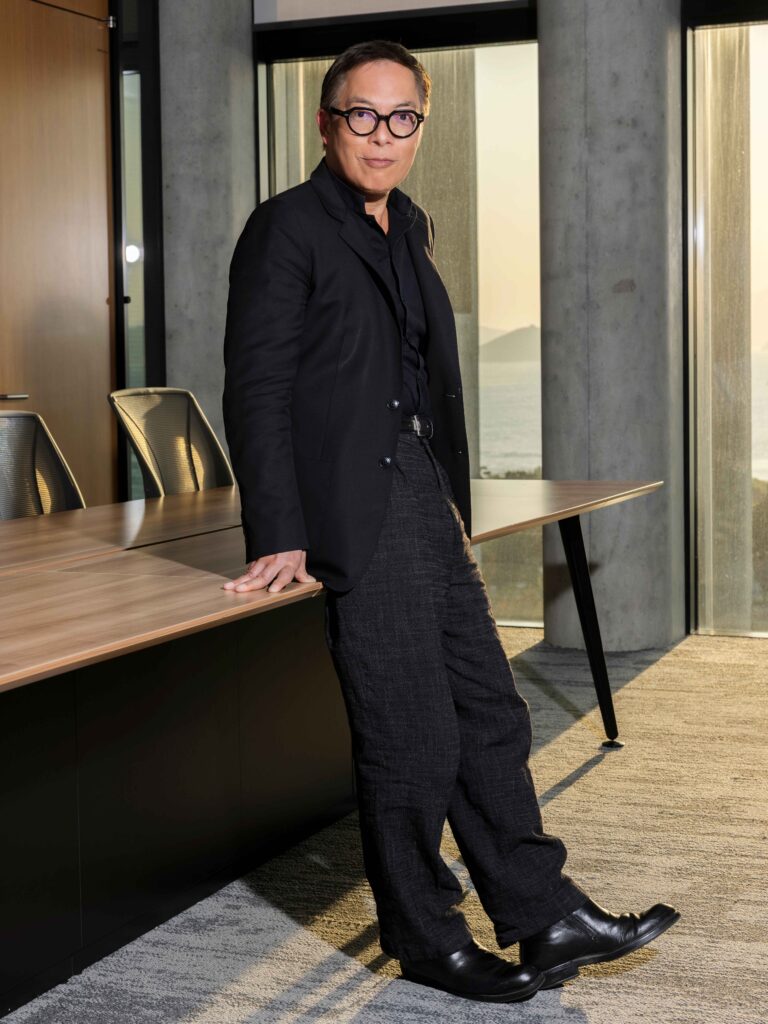
When you meet arts leaders, you often meet the origin story of their taste. For Tam, it began long before he played a concert-hall piano. “I grew up in a traditional Chinese family,” he shares. “My father was a successful restaurateur, often out and about entertaining with my mother. He bought a piano for my sister, and out of a mix of sibling rivalry and natural curiosity, I started tinkering with it at 14. Within just a few years, I had completed all my grades.”
He majored in piano performance with a minor in composition at Canada’s York University and dreamt of becoming a “jet-setting concert pianist”. “I thought I was pretty good, until my final year, when my piano professor told me, ‘Paul, you’re good as a chamber musician, but you’ll never be good enough to be a concert pianist.’ Those words crushed me, but they also gave me clarity.”
Redirection was required. “I decided to pursue an MBA in Arts Administration. If I couldn’t be on centre stage, I thought at least I could help others get there – one of the best decisions I have ever made.” The phrase ‘help others get there’ echoes like a motif throughout our conversation. More than a career choice for Tam, it became a belief system.
Management Spotlight
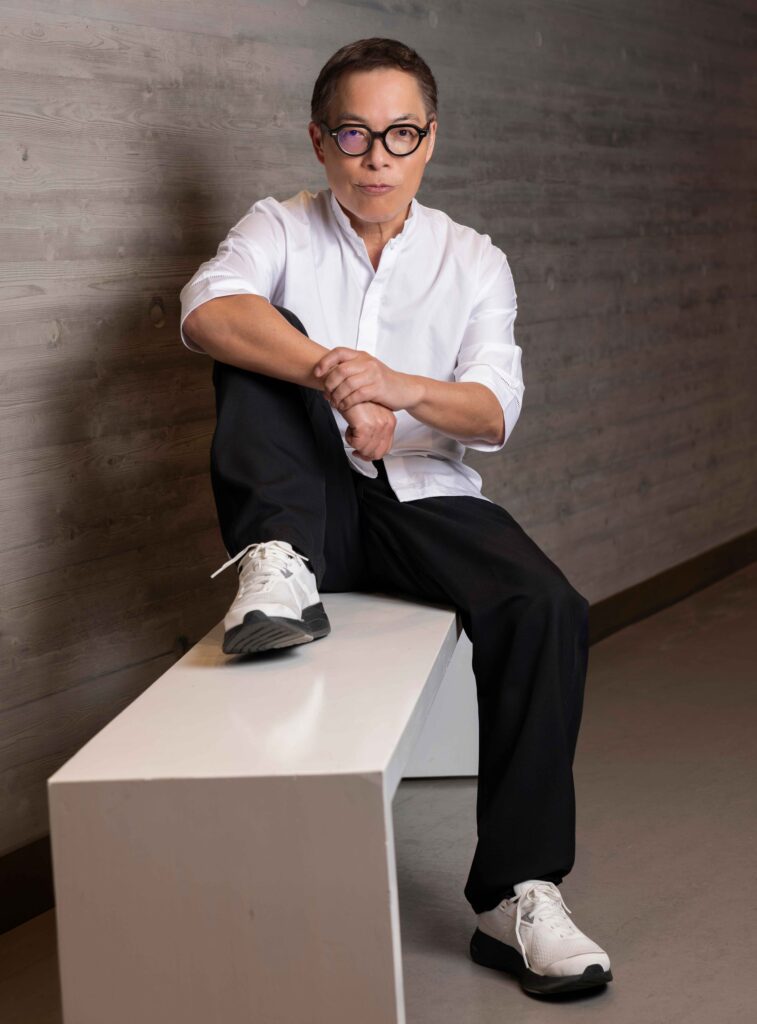
Before joining WestK (West Kowloon Cultural District) in 2020, his many arts-management credits included a total of 10 years at the Hong Kong Philharmonic Orchestra, and six years as Executive Director of Hong Kong Ballet. “[In 2014] the company was emerging from a challenging period,” he explains of the latter. “My task was to reimagine this venerable institution with a renewed vision and a refreshed identity.”
From that effort came the slogan ‘Never Standing Still’, a mantra that embraces an intriguing rhythm, like choreography you still remember after leaving the theatre. An artistic inflection point followed: “Then came Septime Webre, the Artistic Director of Hong Kong Ballet, whose arrival in 2017 marked a bright, new chapter. With his bold vision of global expansion and a distinctive balletic style, both approachable and deeply expressive, the company took off quickly, growing from strength to strength ever since.”
By becoming approachable and deeply expressive, the venerable art form breaks free of its museum-ballet constraints, gaining relevance in the modern age.
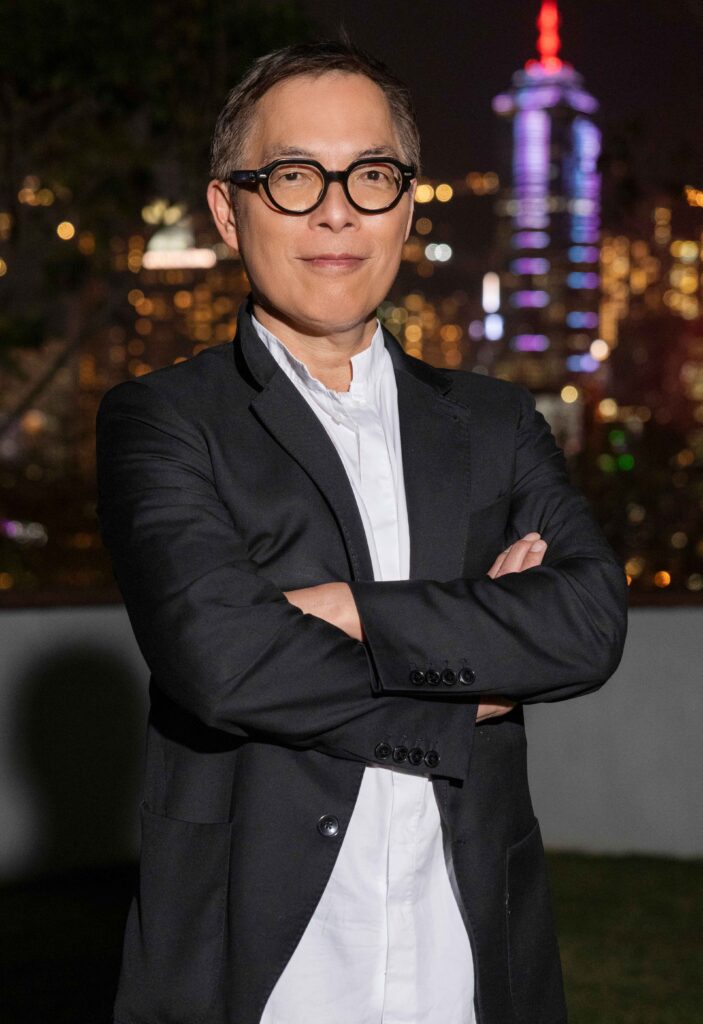
Home and Art
Tam’s philosophy as an arts leader is expressed in warmer tones than the usual institutional vocabulary. Speaking of WestK Performing Arts Centre (WestK PAC), which is slated to open next year, he expounds, “I hope it becomes a true home for the arts; a place where artists can test ideas, refine their craft, create new works, and grow alongside our creative producers, while everyone – patrons or casual visitors, locals or tourists – feels a genuine sense of belonging.”
And then, the practical definition of a ‘true home for the arts’: “From our two museums to the WestK Performing Arts Centre, [these] are not just centres of entertainment, but hubs of inspiration and civic connection, [where] we create and present some of the finest artistic experiences from Hong Kong, the Chinese mainland and beyond.”
He describes the intended outcome in a near cinematic metaphor: “The vision is for a vibrant, year-round programme that attracts local audiences as well as visitors.”
Centre Stage
As WestK expands, Tam’s job becomes less poetic and more technical: as well as year-round programming, there are scales of theatre, transportation adjacency and audience-building pipelines to consider. “We’ll soon have three major venues, and within them, over 10 theatres of varying scales, all forming the backbone of our growing WestK theatre hub,” he says.
“With major transportation networks such as the High-Speed Rail terminal right at the doorstep, you could think of the hub as Hong Kong’s own mini-Broadway, or West End, stretching two kilometres from Xiqu Centre to Freespace, surrounded by restaurants, shops and a lively cultural buzz.” It’s urban design as programming strategy, and culture as a street-level experience, not a distant destination.
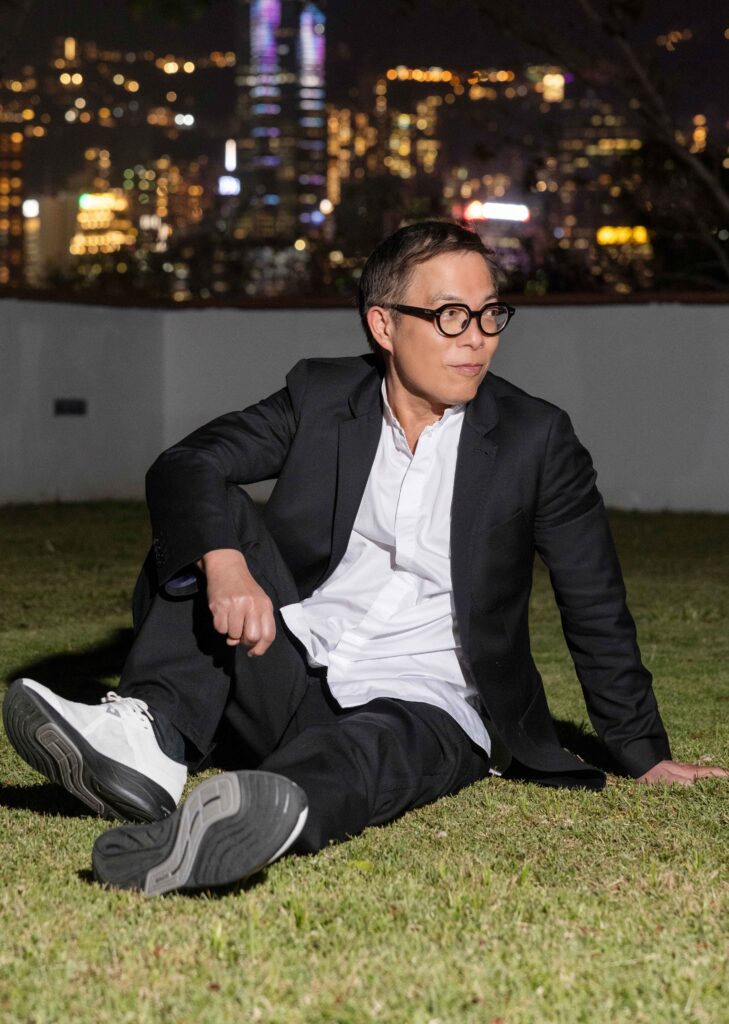
Audience for All
Some critics argue that the arts remain elitist, something for those who already have the cultural capital to feel comfortable in expensive seats. “There is some truth to that,” allows Tam. “Arts can feel exclusive and elitist: a top-tier Met Opera ticket can easily sit beyond a typical salaryman’s budget, and a highly abstract contemporary dance work can intimidate many first-time audiences who worry they ‘won’t get it’.”
His focus is on what institutions can do in response, through programming and accessibility design. “I believe in curating a programme that resonates with all the voices of our community. From The Impossible Trial [a Cantonese musical commissioned by WestK] and Freespace Jazz Fest to Hedwig and the Angry Inch [a Cantonese version of a very famous rock musical by John Cameron Mitchell] and cabaret, we embrace both mainstream and alternative voices.”
He also stresses inclusivity as infrastructure, not PR: “Inclusivity is everything we do, too. We’ve built accessibility into our programmes; for example, our WestK FunFest, the largest performing arts festival targeting family audiences, provides special access tours for visually impaired visitors led by sighted and visually impaired guides, and Hong Kong Sign Language tours conducted by deaf guides and interpreters.” So the question shifts: not ‘Who belongs?’ but ‘How can we design belonging?’
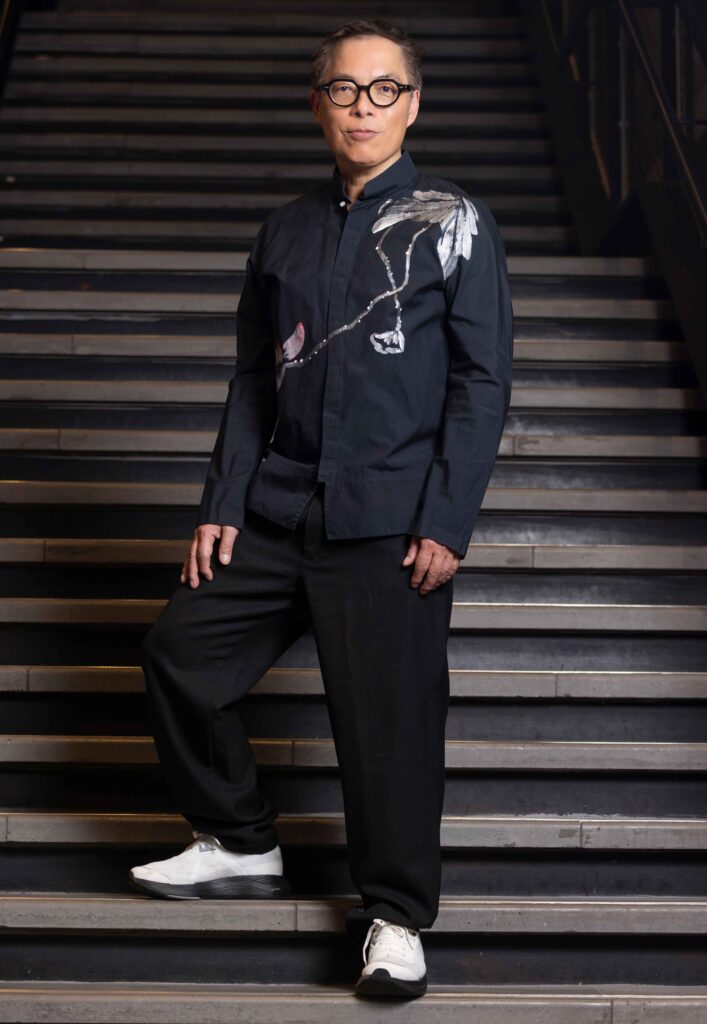
House of Applause
While Tam didn’t realise his concert-pianist dream, he still lives for the applause. “Every applause still touches me deeply and is the main source of my professional happiness,” he says. “I’ll never forget working off-stage at a concert at the Hong Kong Coliseum with Hacken Lee and the Hong Kong Philharmonic years ago. Almost 10,000 people were cheering for a truly memorable performance. I was in tears, tears of joy. That’s the magic that keeps me going every day.”
This is the emotional engine behind his optimism. It’s also a reminder that arts leadership isn’t only planning calendars; it’s planning moments when people feel something together. Asked if this will be his legacy, his answer is both modest and pointed. “Legacy is a big word. But if, in some small way, I’ve helped make Hong Kong’s arts ecology just a little richer, more connected and more alive, then that’s enough.”
It’s clear that Tam moves through his work with class, integrity and passion. He circles back to his earlier caution about the Chalamet controversy: ideas must be presented with dignity, like art staged to respect the audience.
Interview, Text & Art Direction: Joseff Musa Photographer: Jack Law Videographer: Iris Ventura