
Under the hammer: Fab four auction sales (December 2025)
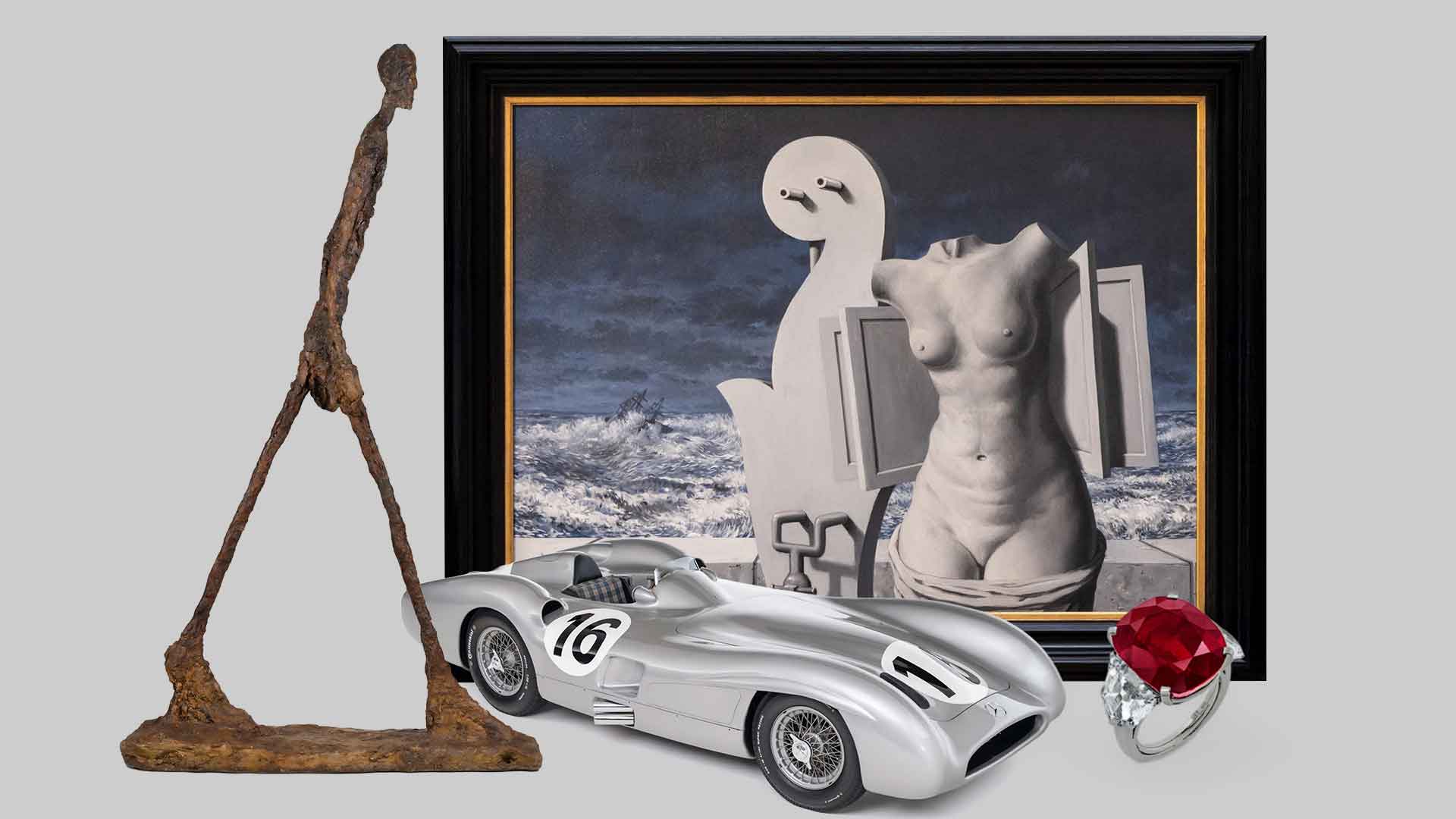
Red rocks dazzle collectors, streamliner secures F1 auction record, Magritte masterpiece flies high at sale & walking tribute to Giacometti’s legacy
Ruby Rising
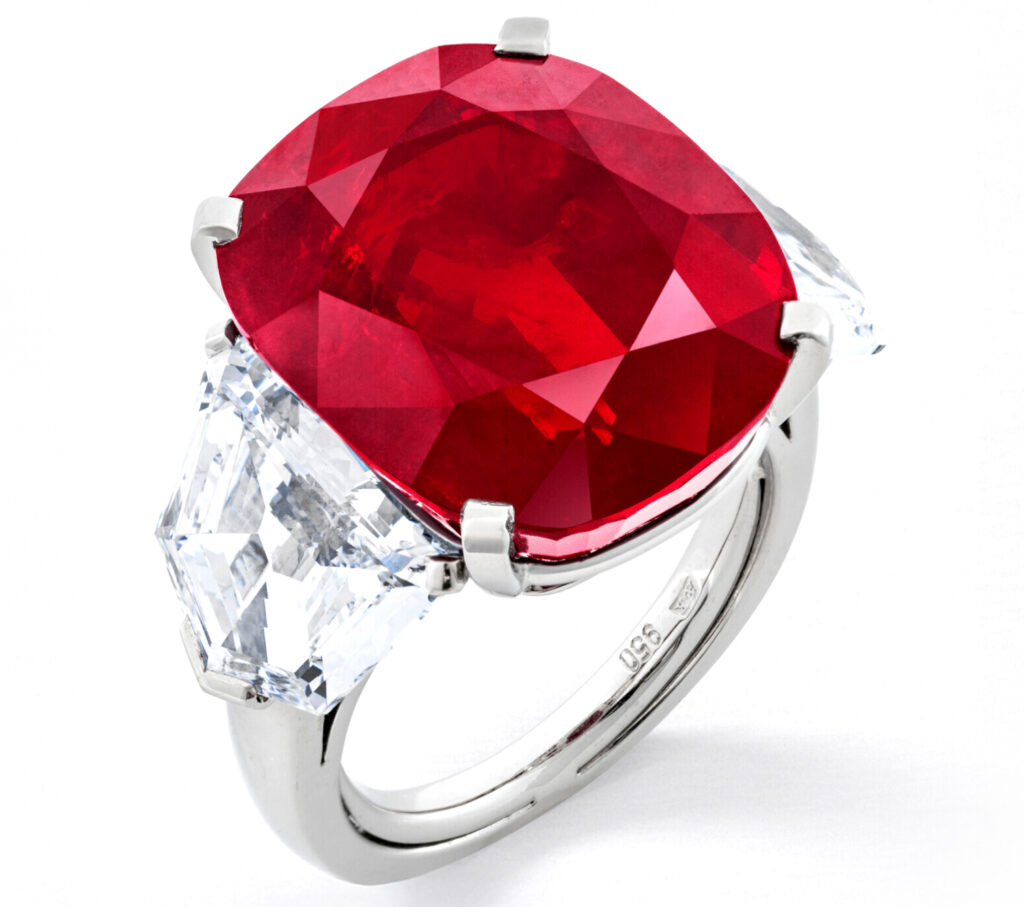
The Sunrise Ruby, a superb 25.59-carat Burmese gemstone set in a Cartier ring flanked by diamonds, made history when it sold for US$30.3 million (HK$235.5 million) at Sotheby’s Geneva back in 2015. A decade ago, this amounted to a world record for the most expensive ruby sold at auction, as well as the highest price ever paid for a coloured gemstone and a Cartier jewel.
The ruby’s name is inspired by a poem by 13th-century Sufi mystic Rumi, adding a layer of poetic allure to its legacy. Its sale served to elevate rubies to new heights of prestige. Their rarity and radiance as the gemstones of royalty strike a chord with collectors, especially in Asia, where the colour symbolises joy and good fortune.
The Sunrise Ruby is classified as ‘pigeon’s blood’ red, the most coveted hue for rubies, and is untreated, significantly enhancing its value.
This sumptuous jewel has since been pipped as the most expensive ruby ring sold by Sotheby’s. That honour is now claimed by the Estela de Fura, an immense 55.22-carat ruby which sold for US$34.8 million in 2023.
Fast & Glorious
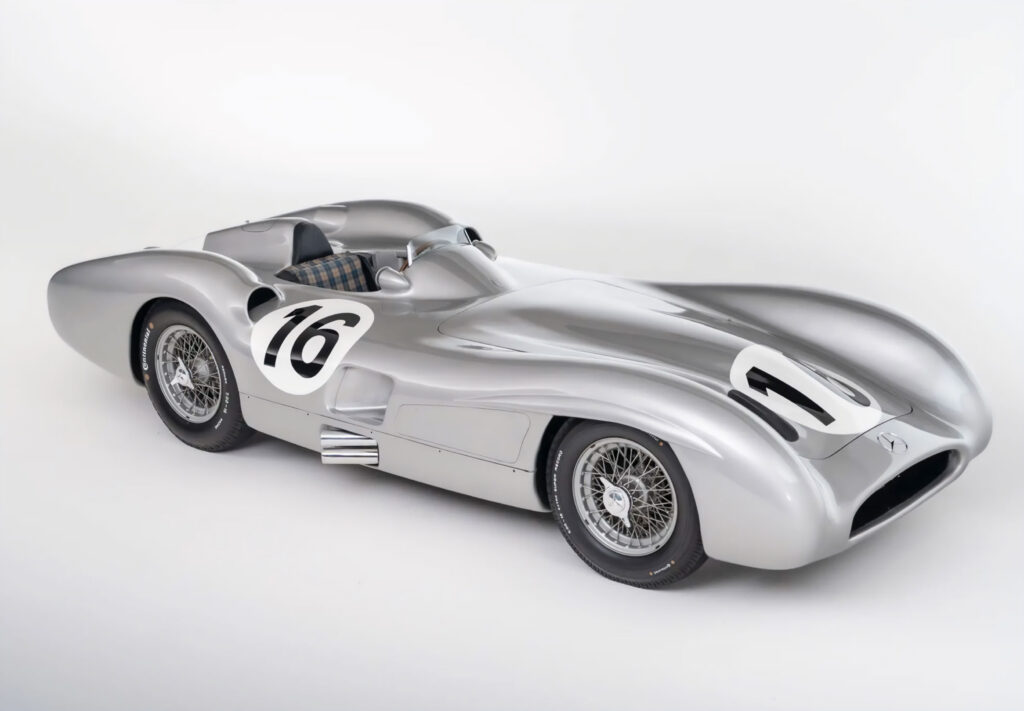
A 1954 Mercedes-Benz W 196 R Streamlinienwagen became the most valuable Grand Prix car ever sold at auction when it rolled off the RM Sotheby’s block for €51.2 million (HK$458.4 million) in Stuttgart earlier this year. One of four known complete examples mounted with the original enclosed-fender coachwork at the conclusion of the 1955 Formula One season, this rare racer is celebrated for its pivotal role in motorsport history. The model’s streamlined body reduced drag and enhanced speed – an innovation that helped Mercedes dominate the racing scene in the mid-1950s.
Powered by a 2.5-litre straight-eight engine with fuel injection, the W 196 R Streamliner delivered exceptional performance and engineering precision. It was driven by legendary racers, including Juan Manuel Fangio, who steered the car to victory in the 1955 Buenos Aires Grand Prix.
The Streamliner’s lightweight aluminium construction and advanced suspension system made it a technical marvel of its time. Its record-breaking sale underscores the enduring appeal of vintage motorsport engineering and the prestige associated with Mercedes-Benz’s racing legacy.
Statue of Mystery

René Magritte’s La Statue Volante (v) is a hauntingly poetic example of surrealist mastery, reflecting the artist’s enduring fascination with paradox and the uncanny. Painted during a mature phase of his career, it distils signature themes the Belgian began exploring in the 1920s and 1930s: dislocation, mystery and the subversion of reality.
In this 1958 iteration, Magritte’s iconic Venus de Milo motif is seen grounded in the foreground – a symbol of classical permanence set against the turbulent backdrop of a storm at sea, where a lone ship is battered by the waves. Such unexpected and inexplicable contrasts –characteristic of the artist – arouse provocative musings on the boundaries between the real and the imagined.
After remaining in the hands of English contemporary art collector Pauline Karpidas for more than 40 years, the work made its auction debut at Sotheby’s London in September this year. The star lot of an evening sale, it secured £10.12 million (HK$103.4 million), affirming its status as a surrealist icon and a collector’s treasure.
Go Figure
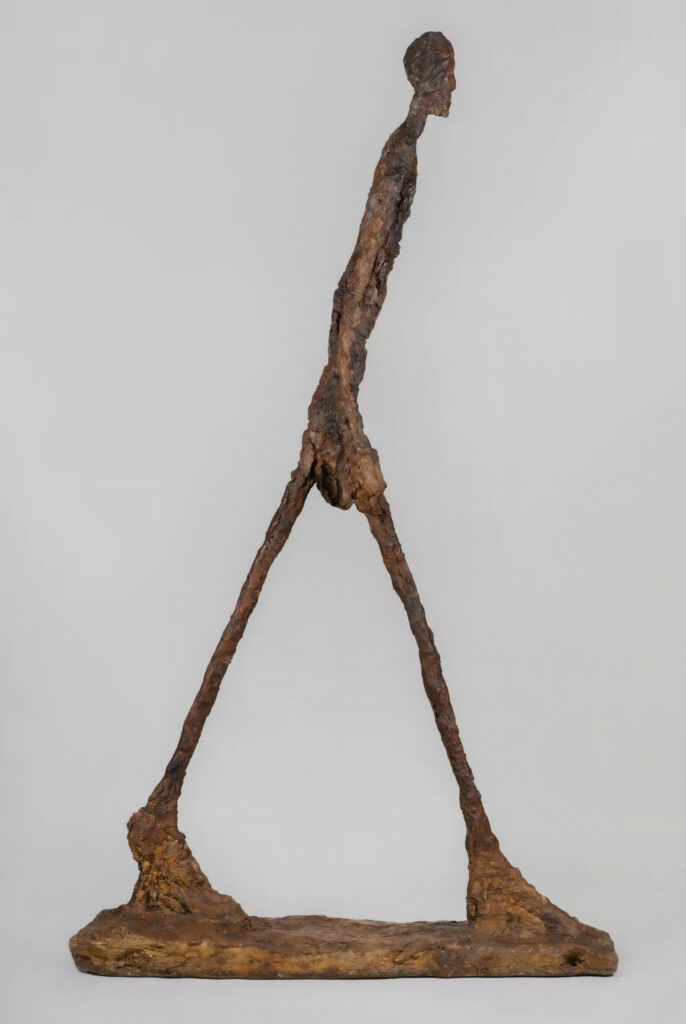
Alberto Giacometti’s L’Homme qui marche (The Walking Man) is one of the most iconic sculptures of the 20th century, embodying existential themes through its elongated, textured form. A second edition of the cast sold for a mammoth US$104.3 million (HK$813.1 million) back in 2010, assuming its place as the most expensive sculpture sold at auction. It was toppled from the top spot five years later by another Giacometti masterpiece, L’Homme au doigt (Pointing Man).
The Swiss sculptor created a series of walking figures in the 1960s, each capturing the tension between motion and stillness. Cast in bronze, The Walking Man strides forward with haunting fragility and determination, reflecting Giacometti’s exploration of isolation and resilience. It stands six feet high, yet its slender proportions evoke vulnerability rather than grandeur.
With few casts in circulation, collectors regard The Walking Man as a pinnacle of modern sculpture. Its presence in a private collection or museum signifies a deep appreciation for Giacometti’s philosophical and artistic legacy – a legacy that continues to challenge and inspire audiences worldwide.