

Water Break: Immersive Kerala redefines luxury through backwater cruising, rippling highlands and serene seascapes
Kerala unfolds slowly, like silk slipping over the shoulders. Along India’s southwestern edge, where the Arabian Sea presses gently against palm-lined shores, this narrow ribbon of land has long drawn traders, healers and wanderers. Today the Malabar Coast attracts a different kind of visitor: the traveller who equates luxury not with glittering excess, but with depth, discretion and a profound sense of place.
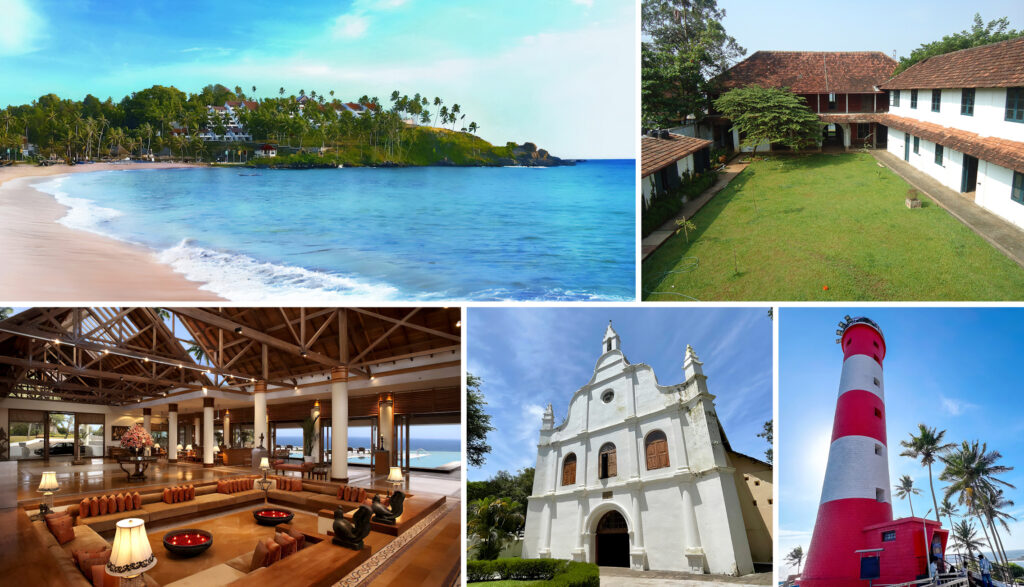
Arrival often begins in Kochi, a port city shaped by centuries of exchange. Portuguese-built churches, Dutch-era warehouses, Jewish synagogues and spice markets coexist within walkable streets washed in sea air. The mood is unhurried. Colonial villas have been transformed into intimate boutique hotels where courtyards bloom with jasmine and corridors glow with lamplight reflected off polished teak. Instead of grand lobbies, there are shaded verandas and antique daybeds. Instead of spectacle, there is atmosphere.
In the seaside area of Fort Kochi, mornings begin with filtered coffee and the distant creak of Chinese fishing nets being lowered into the harbour. Private guides lead art lovers through galleries showcasing contemporary Indian artists whose work addresses the region’s layered past. Afternoons drift into curated culinary experiences – chef-led explorations of spice markets followed by tasting menus that reinterpret coastal classics with quiet finesse.
Backwater Buoys
South of the city lies the landscape most closely associated with Kerala’s identity: the backwaters. This labyrinth of canals, lagoons and lakes threads through villages and paddy fields in a dreamlike sprawl. The traditional kettuvallam, once a humble rice barge, has been reborn as one of India’s most distinctive luxury experiences. Today’s private houseboats are floating sanctuaries crafted from bamboo and jackwood, outfitted with linen-draped beds, marble bathrooms, and chefs who prepare multi-course meals tailored to each guest.
Gliding through still water at dusk, one feels suspended between worlds. Coconut palms lean toward their reflections. Temple bells echo across the lagoon. Fishermen in narrow canoes move soundlessly past. On deck, a steward pours chilled wine as plates of pearl spot fish simmered in coconut milk arrive fragrant with curry leaves. Time loosens its grip. The only schedule is the movement of light across water.
There is nowhere else to be and nothing else to do but watch the landscape unfold. Children wave from the banks. Villagers rinse laundry at the water’s edge. Life continues, uncurated and authentic. During the summer monsoon season, rain does not disrupt the rhythm; it softens it. Light shifts, colours deepen, and conversations lengthen under covered decks.
High Tea
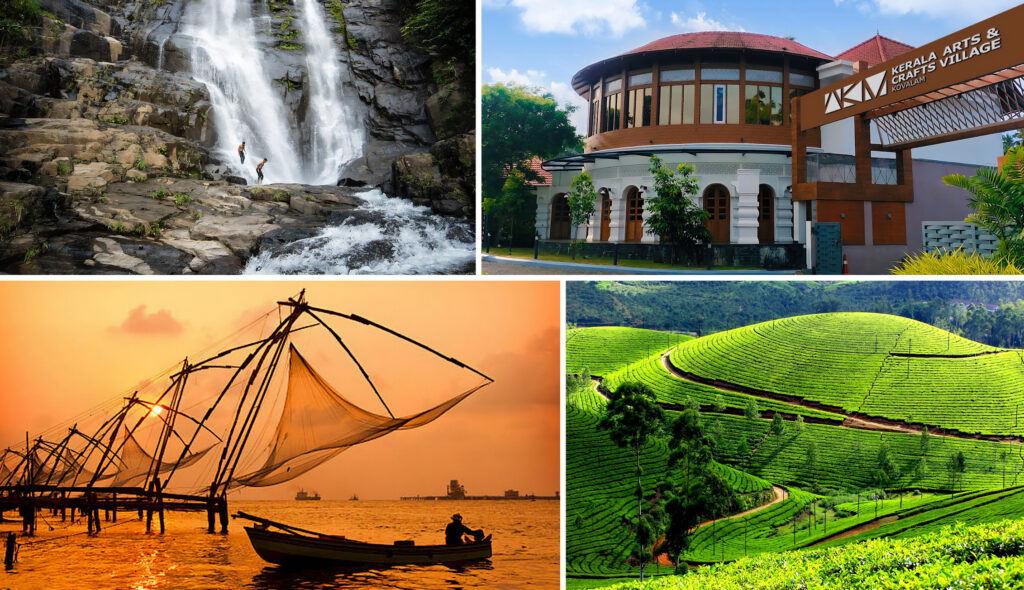
Beyond the backwaters, Kerala’s interior rises into cool highlands carpeted in tea. Munnar, the hill-station retreat once favoured by British planters, feels cinematic beneath rolling mist. The Western Ghats mountainsides ripple outwards in velvety shades of green, punctuated by silver oak trees and narrow footpaths. Restored colonial bungalows crown the slopes, their wraparound porches offering sweeping views across plantations.
Inside, heritage architecture meets contemporary comfort. Fireplaces crackle in the evenings. Libraries are stocked with volumes on botany and empire. Guests wake early for guided walks through tea estates where pluckers, clad in bright headscarves, gather tender leaves with practised precision. Private tastings reveal subtle notes – floral, citrus, honeyed – reflecting soil and altitude.
Picnics are arranged beside waterfalls swollen by seasonal rains. Chefs prepare menus infused with local spices like cardamom, black pepper and nutmeg. Evenings invite quiet indulgence: single-estate teas served in porcelain cups, or perhaps an Indian wine, paired with dishes that merge tradition and innovation.
Coastal Flow
Kerala’s coastline offers another dimension of refinement. In Kovalam, boutique resorts perch above crescent beaches where waves roll in with hypnotic regularity. Architecture favours natural materials – laterite stone, reclaimed wood and terracotta tiles blend seamlessly into the environment – while infinity pools seem to dissolve into the horizon.
Here, days revolve around sensory pleasure. Morning swims in warm sea water. Afternoons spent reading beneath swaying palms. Sunset cocktails infused with local flavours such as kokum or tender coconut. Private chefs prepare seafood caught hours earlier: lobster brushed with coconut butter; prawns tempered with mustard seeds and curry leaves. Candlelit dinners unfold to the soundtrack of surf.
Food Culture
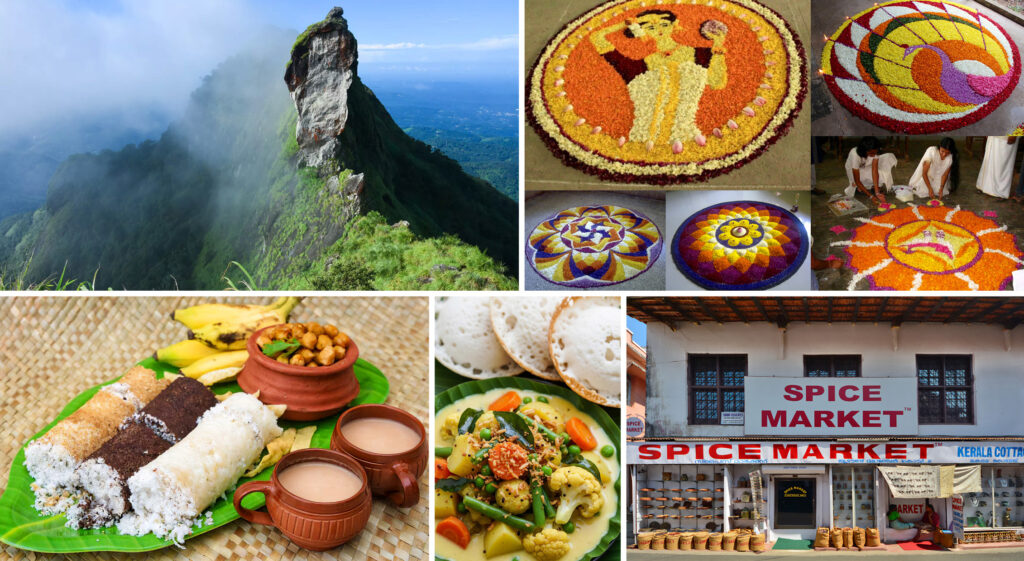
Culinary exploration in Kerala serves as both indulgence and education, with cuisine reflecting the tropical state’s maritime history. Arab traders, European colonisers, and neighbouring states have all left their imprint. In fine-dining restaurants, appam (pancake) arrives lace-edged and delicate, paired with vegetable stew fragrant with cloves. Duck is roasted with a glaze of palm jaggery and spices. Desserts highlight tropical abundance – mango, banana and jackfruit – presented with contemporary elegance.
For those seeking deeper engagement, chefs organise immersive cooking sessions within ancestral homes. Guests grind spices on stone slabs, learn the balance between heat and sweetness, and share meals around communal tables. Stories flow freely of matrilineal households, of harvest festivals, of fisherfolk who navigate tides guided by intuition rather than instruments.
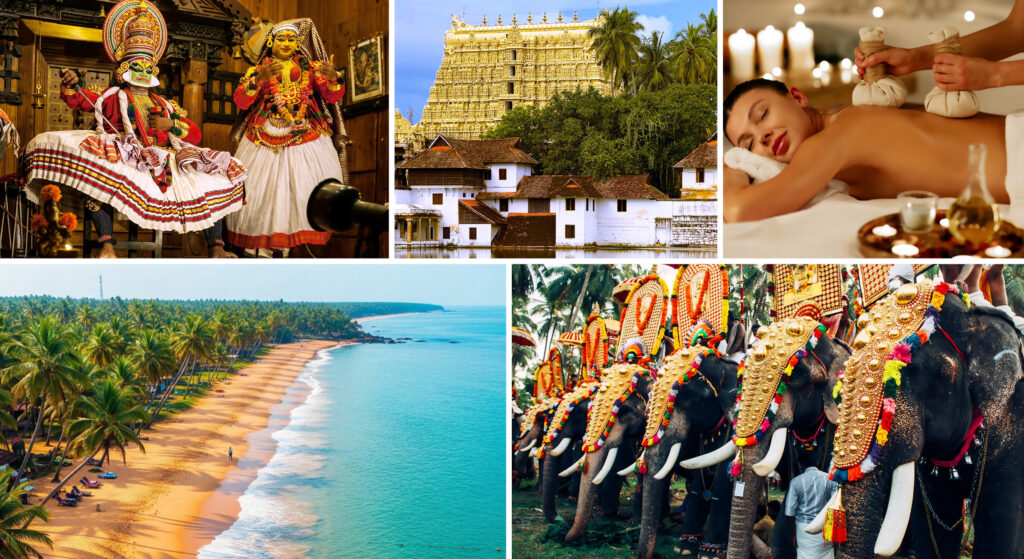
Cultural experiences enrich the journey. In Thrissur and other temple towns, intricate murals and wooden carvings reveal centuries of devotion and artistry. Kathakali dancers, their faces painted in vivid pigments, transform into mythic characters through elaborate gestures and expressions.
Craft traditions flourish as well. Artisans weave handloom textiles edged in gold thread. Coir is spun from coconut fibre into intricate mats and rugs. Rosewood is carved into furniture that balances ornamentation with durability. Private visits to workshops offer insight into techniques passed down through generations.
Health is Wealth
Wellness is woven into the cultural fabric of Kerala. Ayurveda, India’s ancient system of holistic healing, forms the foundation of many high-end retreats. These are not spas in the conventional sense, but sanctuaries where medicine, ritual and hospitality intertwine.
Guests begin with consultations from experienced physicians who assess constitution and imbalance. Treatments are deeply personalised. Warm herbal oils are poured in steady streams across the forehead in a ritual known as shirodhara. Synchronised massages employ rhythmic strokes designed to restore equilibrium. Herbal steam baths release tension while the scent of tulsi (holy basil) and neem lingers in the air.
Meals at these retreats are crafted with equal care. Ingredients are seasonal, often sourced from on-site gardens. Dishes are calibrated to support specific wellness goals – think lightly spiced lentils, red rice, sautéed greens and broths scented with medicinal herbs. Days flow between yoga sessions at sunrise, guided meditation and periods of intentional silence. Technology fades into the background. The emphasis is on recalibration, on listening to the body and the landscape simultaneously.
Mindful Memories
Responsible tourism underpins much of Kerala’s modern luxury landscape. Many properties implement rainwater harvesting, solar power and waste-reduction programmes. Houseboats adopt cleaner engines to protect fragile ecosystems. Wellness centres partner with local farmers to source organic herbs. Staff-training initiatives provide employment pathways for surrounding communities. Indulgence, in this context, coexists with accountability.
As the journey draws to a close, departure feels less like an ending and more like a gentle awakening. The memory of backwaters at twilight lingers. The scent of herbal oils clings faintly to skin. The cadence of temple bells echoes in the mind. Kerala does not overwhelm with spectacle. It envelops, persuades, and ultimately transforms.
Kerala remains, above all, an experience of texture and tone: rain on palm leaves, tea mist rising from porcelain cups, silk brushing against polished wood, waves dissolving into dusk. It is a destination that understands that the highest form of luxury is presence and offers it generously to those willing to slow down and receive it.