
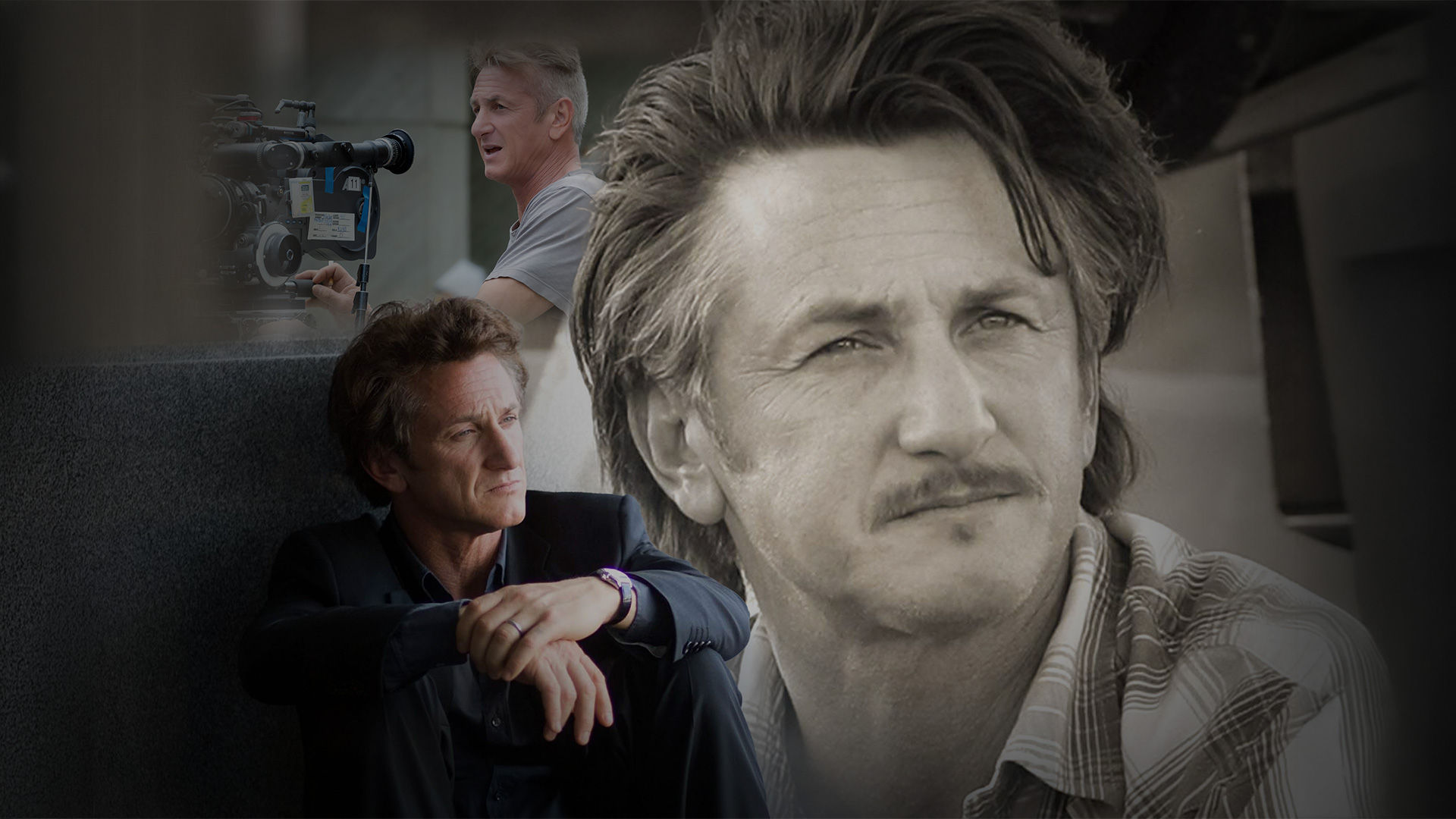
Indelible Penn: For uncompromising actor-activist Sean Penn, life is an ongoing battle against imperialism and injustice
Few figures in contemporary cinema embody intensity quite like Sean Penn. Actor, director, activist, provocateur – Penn has built a life and career defined by fierce commitment. Whether inhabiting deeply flawed characters onscreen or stepping into war zones off-screen, he has consistently refused the comfort of neutrality. For over four decades, Penn has remained one of Hollywood’s most compelling and controversial figures, a man whose personal convictions are as bold as his performances.
Penn, 65, grew up in Santa Monica and Malibu, Southern California, in a household steeped in creativity and political awareness. Both his parents and his late younger brother, Chris Penn, were actors. Their father, Leo Penn, had been blacklisted during the McCarthy era and became a television director. The dual legacy of artistic ambition intertwined with activism has shaped his core.
After making short films with childhood friends Emilio Estevez and Charlie Sheen, he burst onto the Hollywood scene in the early 1980s with a string of memorable roles, including perpetually stoned surfer Jeff Spicoli in Fast Times at Ridgemont High (1982). With sun-bleached hair and a laid-back drawl, Penn delivered a comic performance that instantly entered pop-culture lore. It was a surprising start for an actor who would later become synonymous with raw dramatic gravitas.
In films like Bad Boys (1983) and At Close Range (1986), he embraced darker, more volatile characters. Critics began to recognise his willingness to immerse himself fully in roles, often disappearing into complex psychological landscapes. By the 1990s, he had cemented his reputation as one of the most serious actors of his generation.
Oscar Wield
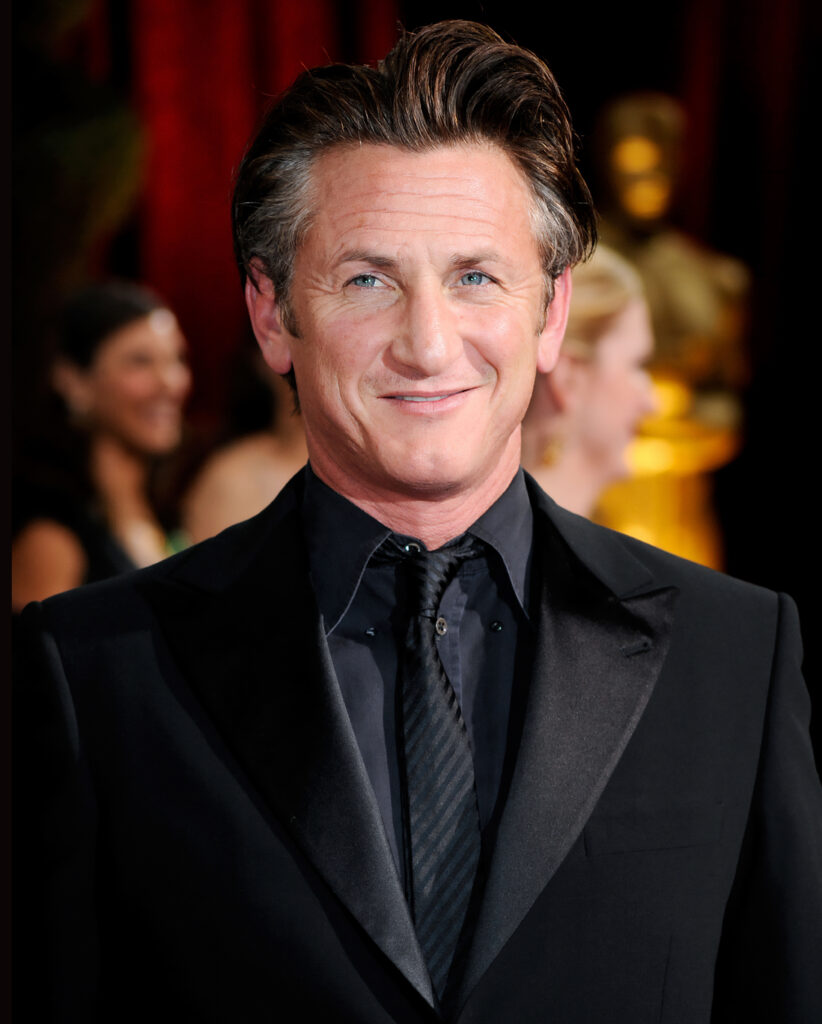
Collaborations with acclaimed directors further elevated his standing. In 1995’s Dead Man Walking, directed by Tim Robbins, Penn’s restrained, haunting performance as a death-row inmate earned his first Academy Award nod. It was the beginning of an awards trajectory that spans six Oscar nominations, with two wins for Best Actor and one for Best Supporting Actor this year – playing the unhinged Colonel Lockjaw in auteur Paul Thomas Anderson’s triumphant One Battle After Another (2025).
His first Oscar came as a grief-stricken father seeking justice for his murdered daughter in Mystic River (2003). Five years later, he was rewarded for portraying pioneering gay-rights activist Harvey Milk in Milk – a role that demanded transformation not only in voice and physicality but also in spirit. Penn delivered a performance filled with warmth, wit and moral courage.
Discussing Milk in a 2012 podcast, he declared, “Today, almost certainly I would not be permitted to be cast in that role. We’re living in a time when, if you’re playing a gay lead character, you’d have to be a gay man or a trans character. And there have been these casting issues… An opportunity for people who have had fewer opportunities to move forward … has to be supported, and yet in this pendulum-swing society that we’re in, you wonder at some point if only Danish Princes can play Hamlet.”
Direct Action
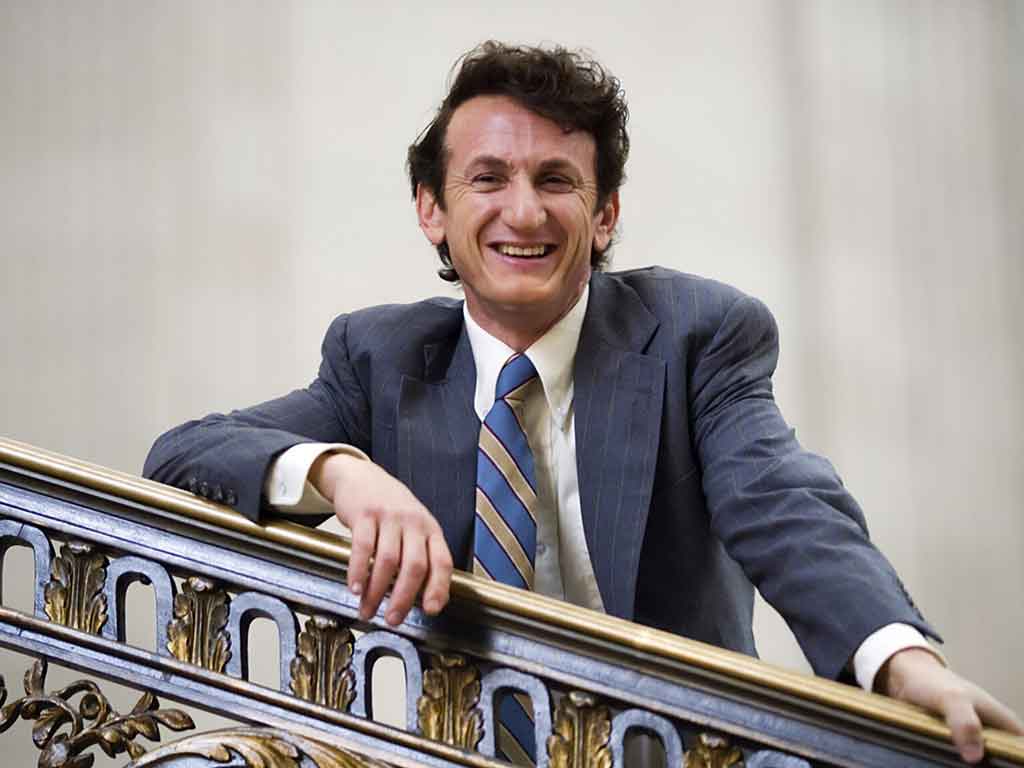
As a director, Penn has demonstrated a contemplative and often poetic sensibility. His directorial debut, The Indian Runner (1991), hinted at his fascination with fractured relationships and existential searching. But it was Into the Wild (2007), a lyrical meditation on freedom, isolation and self-discovery, that solidified his reputation behind the camera. Adapted from Jon Krakauer’s bestselling book, the film recounts the roving life and early death of adventurer Chris McCandless in the Alaskan wilderness. In Flag Day (2021), his children Dylan and Hopper acted alongside him.
Despite his Hollywood stature and statuettes, Penn has never fully embraced the trappings of celebrity culture. He is as likely to be found reporting from conflict zones as he is walking a red carpet. In recent years, he has ventured into documentary filmmaking, notably with projects that place him in direct dialogue with geopolitical realities. Superpower (2023) followed Ukrainian President Volodymyr Zelensky during Russia’s invasion of Ukraine. Penn was honoured with the country’s Order of Merit in 2022 and missed the Academy Award ceremony this March as he was visiting the Ukrainian frontline.
The star has long used his platform to spotlight humanitarian causes. In the aftermath of the 2010 Haiti earthquake, he founded the J/P Haitian Relief Organisation, which provided critical disaster response and recovery support. Unlike many celebrity-backed charities, Penn’s involvement was hands-on. He spent months on the ground in Haiti, coordinating aid efforts and advocating for sustained international assistance.

Forceful Personality
Penn’s intensity has not been without controversy. His personal life has often attracted headlines, from violent encounters with paparazzi to high-profile marriages – Madonna (1985-1989), Robin Wright (1996-2010), Leila George D’Onofrio (2020-2022) – to outspoken political statements. At times, his bluntness has polarised public opinion, yet his refusal to smooth his edges reads as both risky and refreshing.
In a 2011 interview, he shared: “I have great moments when I feel very connected and loving toward humankind, but I never have a good moment toward human beings… I love humankind; I don’t like humans. I don’t get along with people very well. I never did.”
There is an authenticity to Penn’s appearance today that mirrors his approach to life. Lines etched by time and experience are worn without apology. In a culture obsessed with perpetual youth, his weathered visage feels almost radical – a testament to living fully rather than cautiously.

Driven Character
Penn’s commitment to complexity is unfailing. He gravitates toward characters – and causes – that resist easy categorisation and searches for humanity within contradiction. That same sensibility informs his worldview. He speaks frequently about justice, inequality and the responsibilities of citizenship, often emphasising the moral imperative to engage rather than observe.
As Hollywood evolves in an age of streaming platforms and globalised storytelling, Penn remains rooted in the craft of cinema as an art form. His selective focus on character-driven stories has preserved his aura of artistic seriousness underscored by determined belligerence.
“Eighteen years ago, when I did Milk, was the last time that I enjoyed the work,” he confessed in an interview promoting One Battle After Another. “But you want to be participating in something that is of your current interest, and with people who are surprising. Because of Paul’s movie, I’m in a stage of liking acting.”
In many ways, Sean Penn represents a disappearing archetype: the movie star as moral agitator, the artist as activist. He belongs to a lineage that includes figures like Marlon Brando and Jane Fonda – individuals who leveraged fame to confront uncomfortable truths. Yet Penn’s journey is distinctly his own, marked by relentless curiosity and an almost stubborn refusal to disengage.
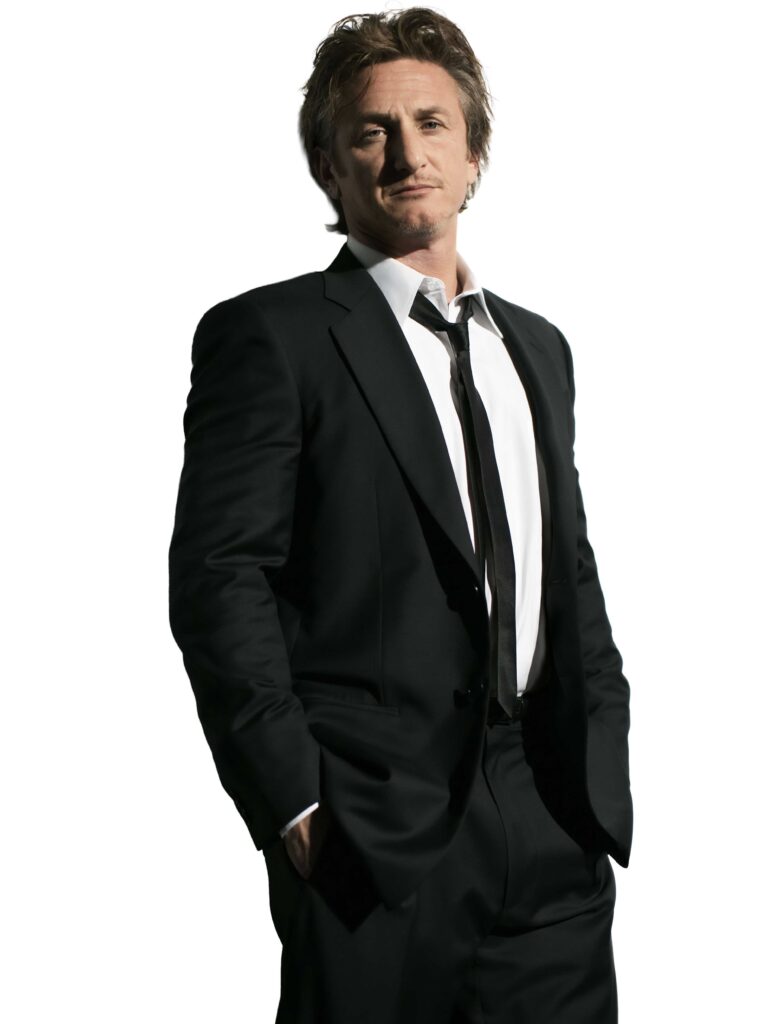
Love him or question him, one cannot ignore him. And perhaps that is Penn’s greatest achievement: remaining impossible to overlook in an industry and a world that so often rewards conformity.